
Movement learning that supports the whole school day
Playball Primary delivers purposeful, inclusive movement experiences for Foundation to Year 2, linking physical education, wellbeing and school participation.
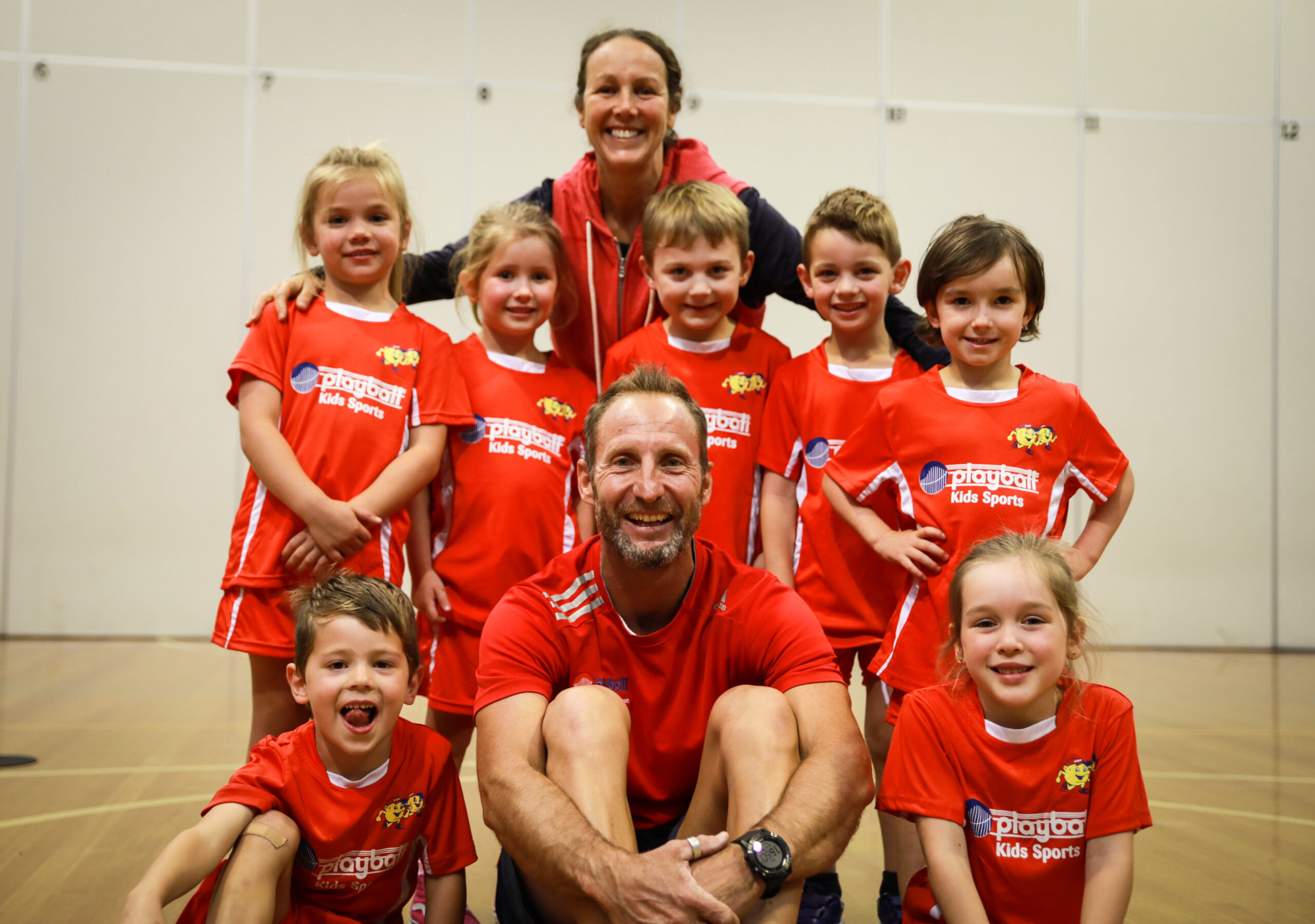


Why schools choose Playball
One connected approach
Movement, wellbeing and social development designed to work together.
Less to organise
Coaches bring the equipment and guide the planned activities.
Progress children can feel
Confidence, competence and communication built through participation.
In-school programs for junior primary
Playball Primary is designed for Foundation through Year 2. The teaching approach can fit alongside HPE planning, with session arrangements developed for the individual school.
Sessions are delivered on site by Playball coaches who bring the equipment and lead the planned activities, so there is little for teachers to organise.

Afterschool programs
Where available, independently run local teams can discuss options for children who would benefit from active play after school. Availability and enrolment vary.
Afterschool sessions give children an active, structured way to finish the day, with the same inclusive coaching approach used in school programs.
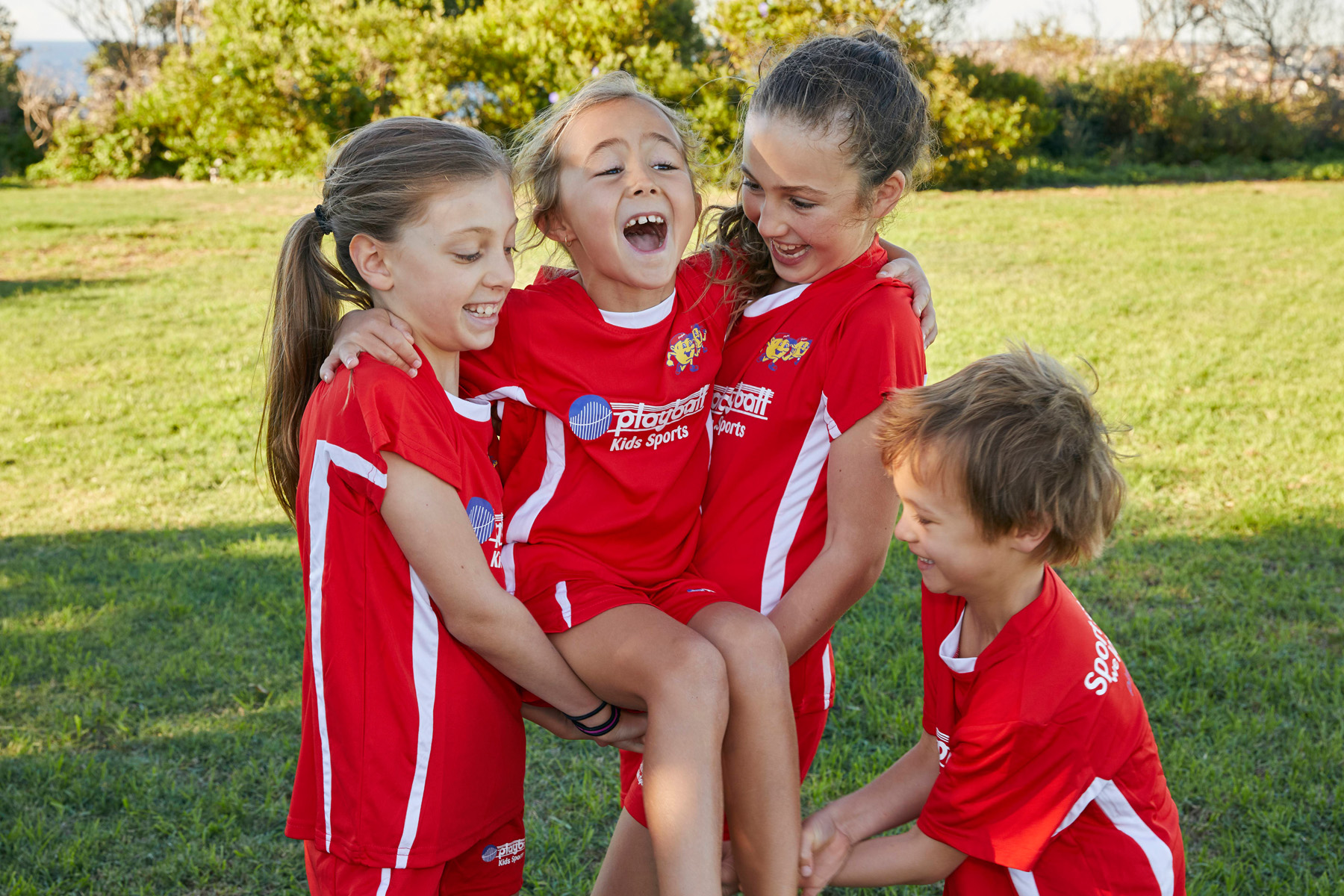
Curriculum alignment and outcomes
The program covers both major strands of Health and Physical Education: movement and physical activity, and personal, social and community health. The 6 Principles in Play link activities to communication, wellbeing, real-world skills and development.
- Fundamental movement skills
- Positive relationships, fairness and turn-taking
- Confidence and managing challenges
- Safer participation and inclusion
- Continuity from EYLF v2.0 into Foundation–Year 2

One method. Three connected foundations.
Purposeful learning happens when the program, the coach and the outcomes work together.
6 Principles in Play
Physical Skills, Real World Skills, Wellbeing, Language & Numeracy, Sensory Integration and Transitions.
Participation Standard
A child-first coaching approach focused on inclusion, encouragement and safe participation.
5 Outcomes
Confidence, Competence, Communication, Capability and Character.
How it works in your school
Tell us which year groups or classes you want to include. A local Playball Partner can discuss schedules, staffing, delivery, equipment and reporting.
- Discuss your cohort and school timetable
- Develop a suitable delivery proposal
- Receive an individual quote
- Coordinate sessions with the school team
Flexible packages
School pricing depends on the number of classes, number of coaches, delivery schedule and local conditions. Back-to-back lessons can improve efficiency. Schools can discuss different funding and payment arrangements.
Your local Playball Partner will prepare a proposal based on your cohort, timetable and budget.
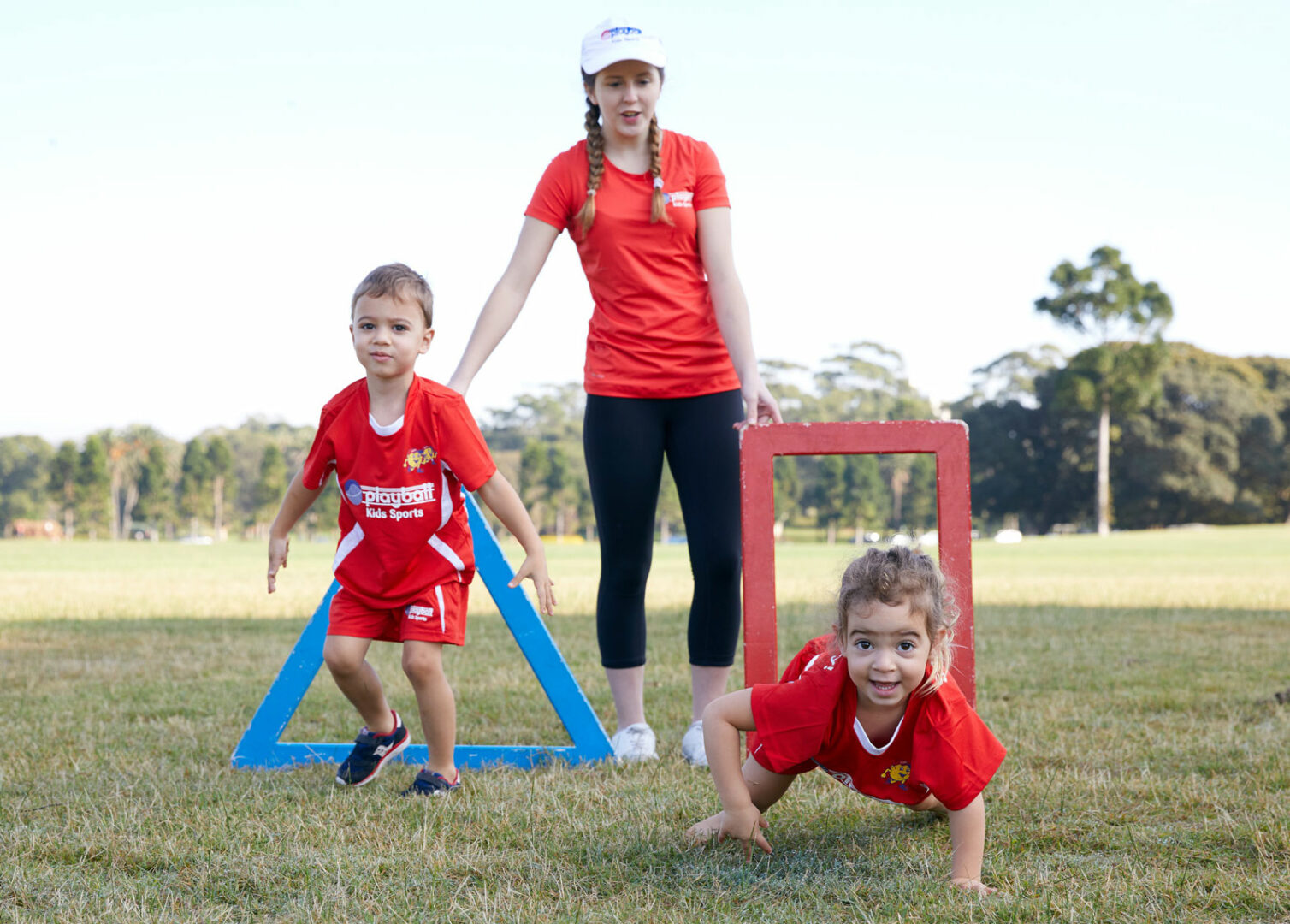
Four ways to fund Playball
These four models are flexible starting points. Your local Partner will explain which ones are available and the associated terms for your school.
Funded
The school draws on eligible sport, wellbeing or other approved funds or grants to cover an agreed program.
Service-paid
The school covers Playball through its operating or program budget.
Parent-paid
Families enrol their children directly and pay their local Playball Partner, where the model is offered.
Service-invoiced
Families are charged through the school or service, which then pays Playball under the agreed arrangement.
Fee calculation, free trials, invoices, cancellation and refunds vary by agreement and franchise. Details are confirmed with your local Partner.
See Playball Primary in action
Ask your local Playball Partner whether a complimentary demonstration class is available.
Learning outcomes and school evidence
Our framework connects movement, wellbeing and inclusive practice with the learning priorities of early primary education.
Lessons cover both strands of the Health and Physical Education curriculum, building movement skills alongside personal, social and community health.


Both sides of the HPE curriculum
Playball Primary is designed to connect movement with the personal and social aspects of early primary learning.
- Movement and physical activity
- Personal, social and community health
- A continuing pathway from EYLF v2.0 into Foundation–Year 2
A partner to your educators
Our aim is to complement classroom and playground learning with purposeful experiences that leave children more confident to participate.
Coaches share what they observe during sessions and work with teachers to reinforce the skills and values children are developing in class.

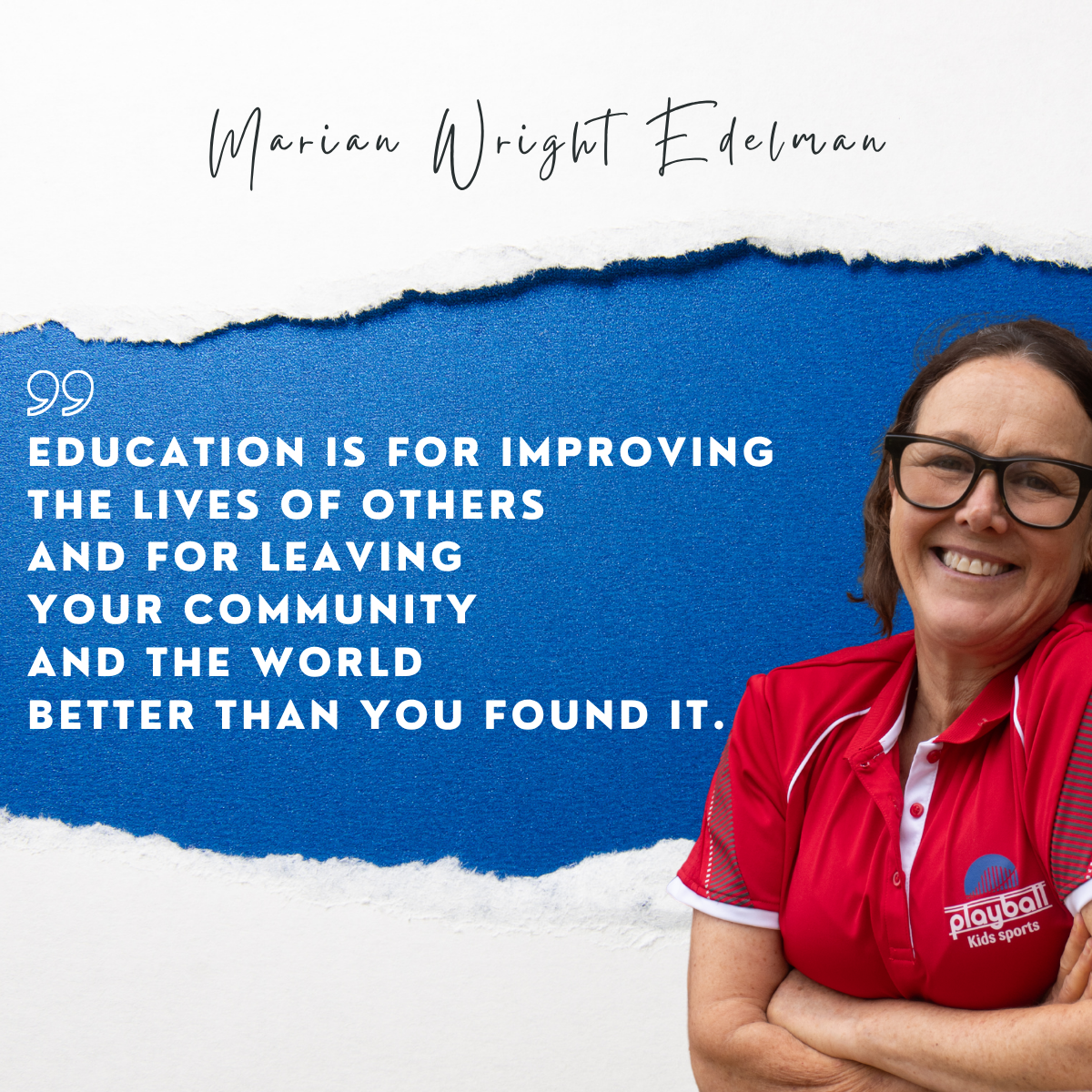
A little more about Playball
We believe movement can help children grow confident, connected and ready for what comes next. Learn more about our people and purpose.
From early learning centres to primary schools and local communities, our coaches bring the same purposeful, inclusive approach to every session.
Frequently asked questions
Still have a question? Send us a message and the right Playball team will get back to you.
Which year levels are covered?
The current Playball Primary framework focuses on Foundation through Year 2.
Can our whole year group take part?
A local Playball Partner can help scope programs for one class or multiple groups.
How does pricing work?
A quote is prepared by your local partner based on classes, coaches and schedule.
Plan a program for your school
Share your requirements with Playball to begin the conversation.


