Why Early Childhood Experiences Are Key for School Readiness
The transition to school is one of the most important milestones in a child’s life. True school readiness depends on building a strong foundation in early childhood, where children develop essential skills like forming friendships, trying new activities, building physical competence, enjoying independent play, developing resilience, and cultivating self-confidence. These foundational abilities lay the groundwork for a smooth and successful start to primary school.
Recent research in Australia shows that many children enter their first year of school without key skills needed for learning. This lack of preparation can make the transition more challenging and stressful for children and families, highlighting the importance of structured early learning programs.
Thriving Kids: Supporting Early Development in Australia
The Australian Government has recognized the importance of foundational skills through initiatives such as Thriving Kids. This flagship program is designed to enhance children’s readiness for school by providing early identification of developmental concerns and strengthening access to support in natural settings, such as early childhood education centres and primary schools.
Thriving Kids targets children aged 0–8 years, including those with mild to moderate developmental delays or autism. By offering early and practical intervention in the environments where children live and learn—preschools, classrooms, and community spaces—the initiative ensures that all children have the opportunity to develop the skills they need to thrive.
The Role of Physical Literacy in Building Confidence and Competence

As specialist Physical Literacy Trainers, we understand that lacking foundational skills can significantly impact a child’s confidence and readiness for school. Without physical competence and social-emotional grounding, children may struggle to face new challenges, which can affect both academic progress and sense of belonging.
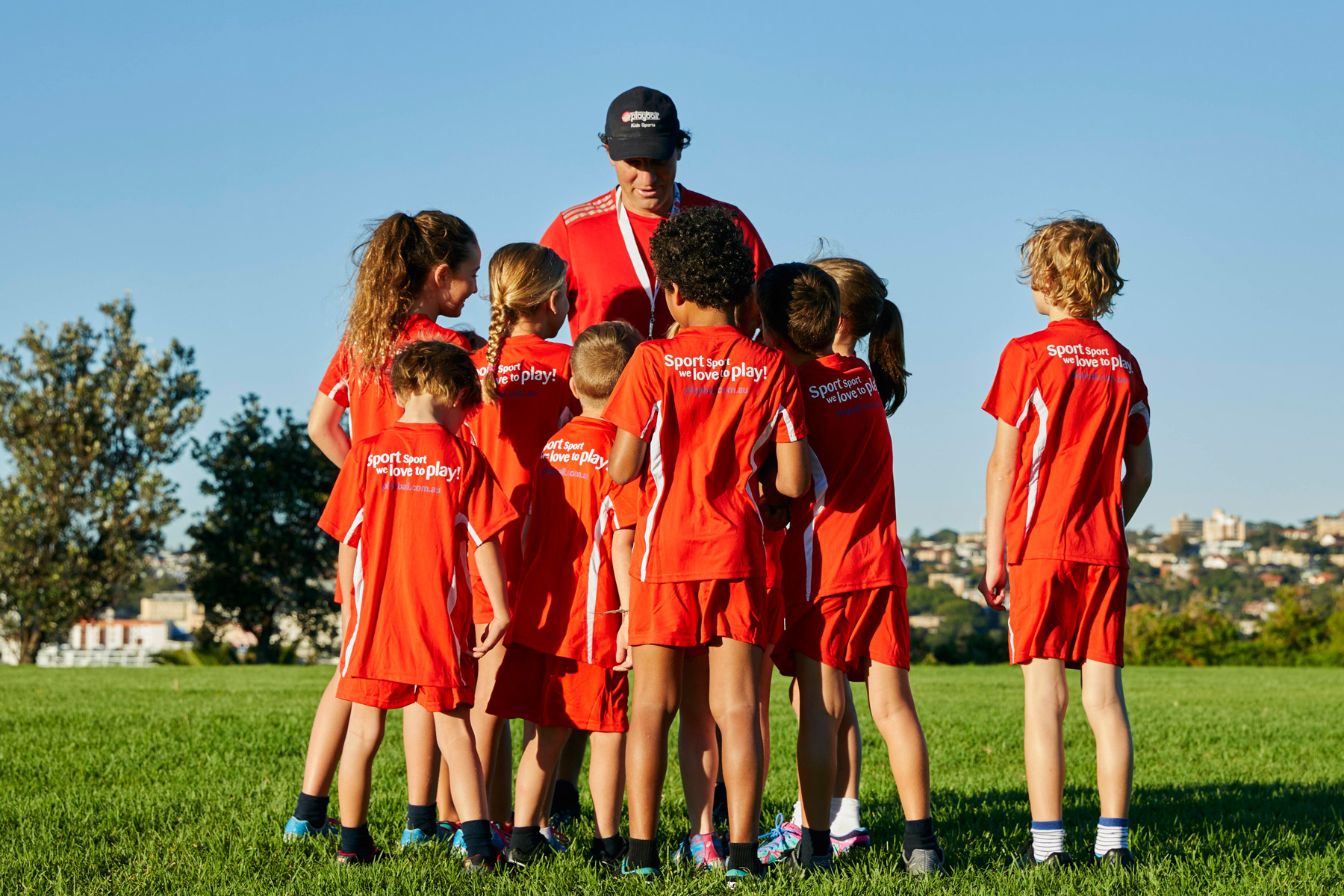
Physical literacy programs, such as Playball Kids, provide diverse opportunities for children to develop teamwork, self-regulation, communication, and motivation. These qualities are essential for lasting academic achievement and social-emotional development, helping children thrive both in school and beyond.Alignment with NQF & EYLF: Quality and Safety in Early Learning
Playball programs follow the National Quality Framework (NQF) and Early Years Learning Framework (EYLF v2), offering inclusive, play-based learning. All staff hold Working with Children (WWC) checks and first aid qualifications, and programs are delivered using safe, compliant equipment and environments.
This alignment ensures that every Playball session is high-quality, research-based, and designed to meet national standards. Children benefit from inclusive learning experiences that support their physical, social, and cognitive development in safe and structured settings.
Collaboration with Centres and Families: Tailored Programs for Every Child
Playball works closely with early childhood centres to ensure programs are adapted to each centre’s needs. Collaboration with staff and families allows us to share children’s progress and engagement, creating a consistent and supportive learning environment.
Our evidence-based programs also include teacher training focused on skills development, inclusion, social-emotional learning (SEL), and physical literacy. These training programs align with the Australian Professional Standards for Teachers (APST), supporting professional growth and improving the quality of teaching for long-term benefits in child development.
Physical Literacy: A Foundation for Lifelong Learning
Learning physical competence through intentional Playball programs enriches children’s cognitive skills, memory, focus, self-image, and resilience. Movement-based, play-focused experiences extend beyond the classroom, giving children the confidence and motivation to succeed academically and socially.
Inclusive, structured programs help every child, regardless of ability, develop the skills and mindset necessary to thrive in school and beyond.
Conclusion: Playball Sets Children Up for Success
By embedding physical literacy into early learning spaces and fostering strong partnerships with centres and families, Playball helps children develop confidence, social-emotional skills, and physical competence. These foundational skills create a springboard for school readiness and long-term educational achievement, ensuring every child has the opportunity to flourish.
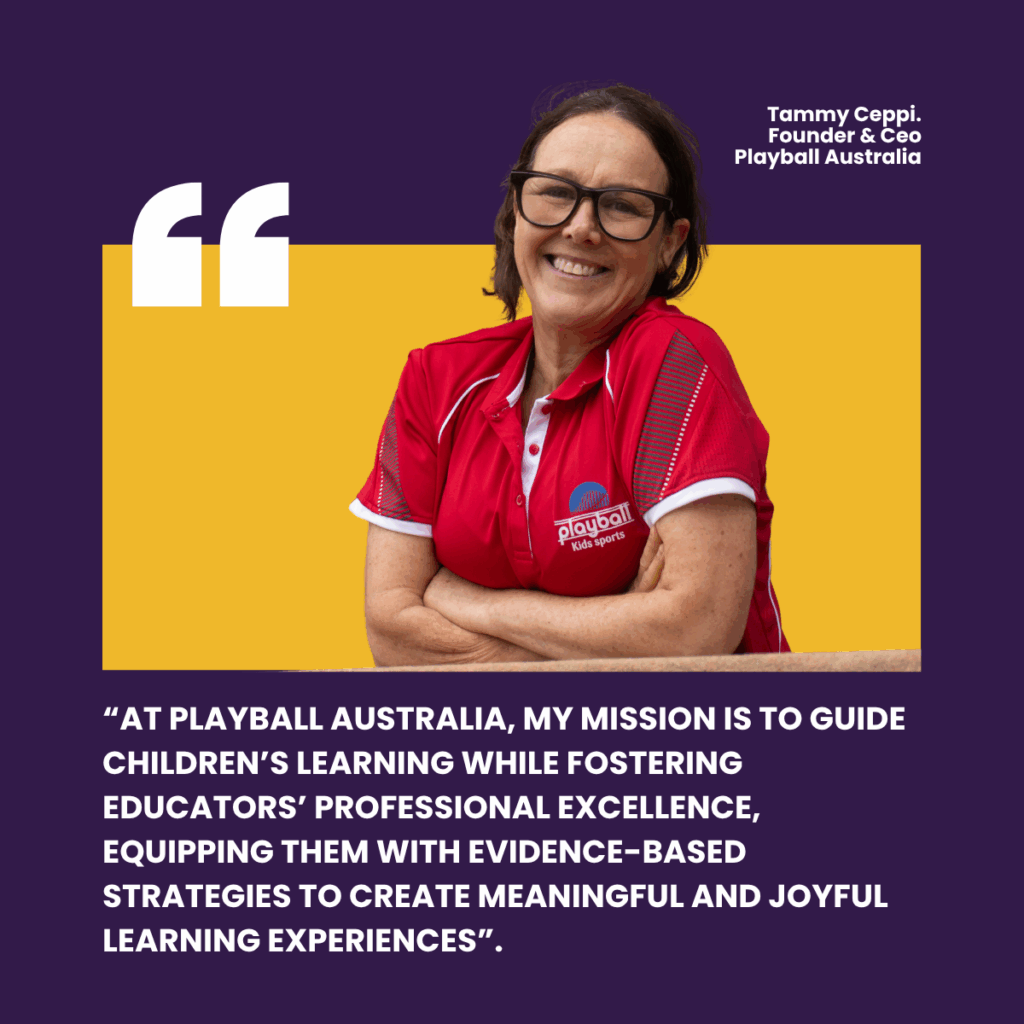
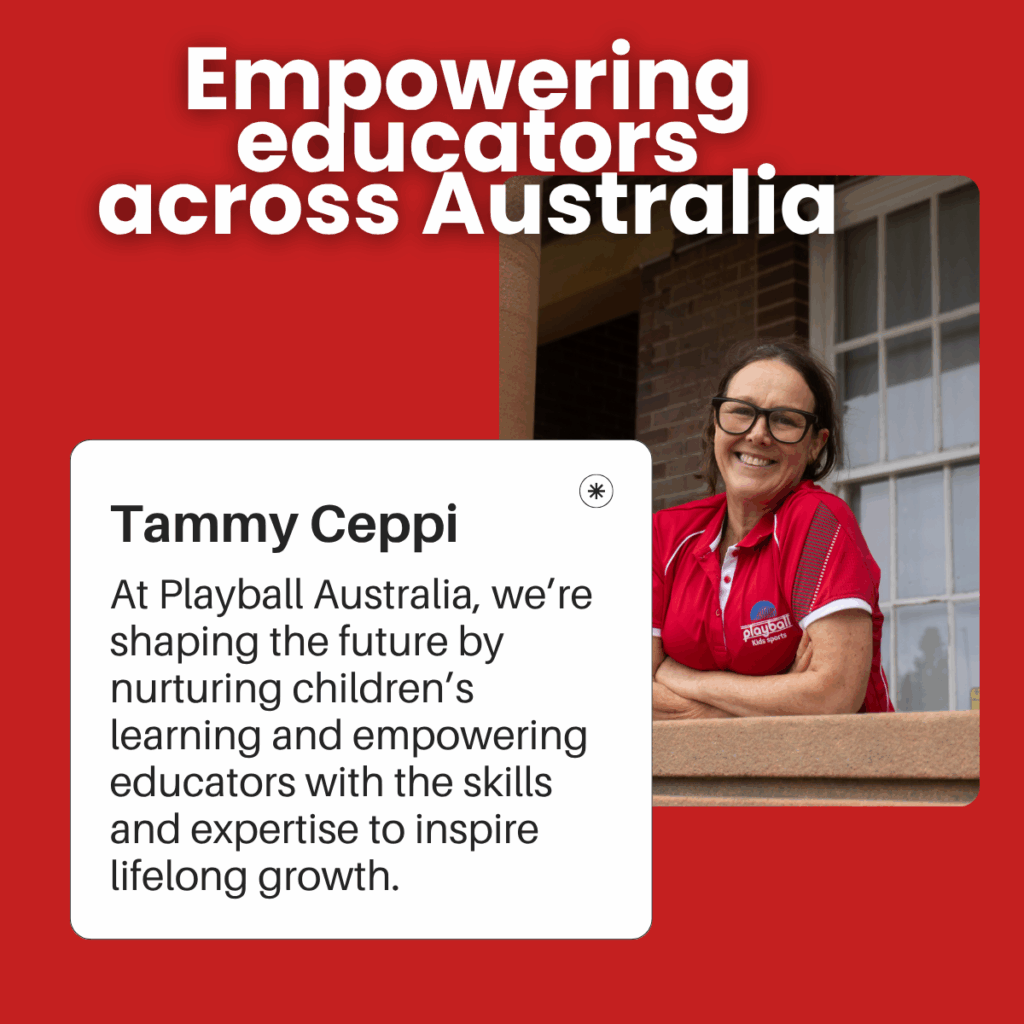
Tammy Ceppi, Phisical Literacy Trainer