

Introduction: A Turning Point for Early Childhood in Australia
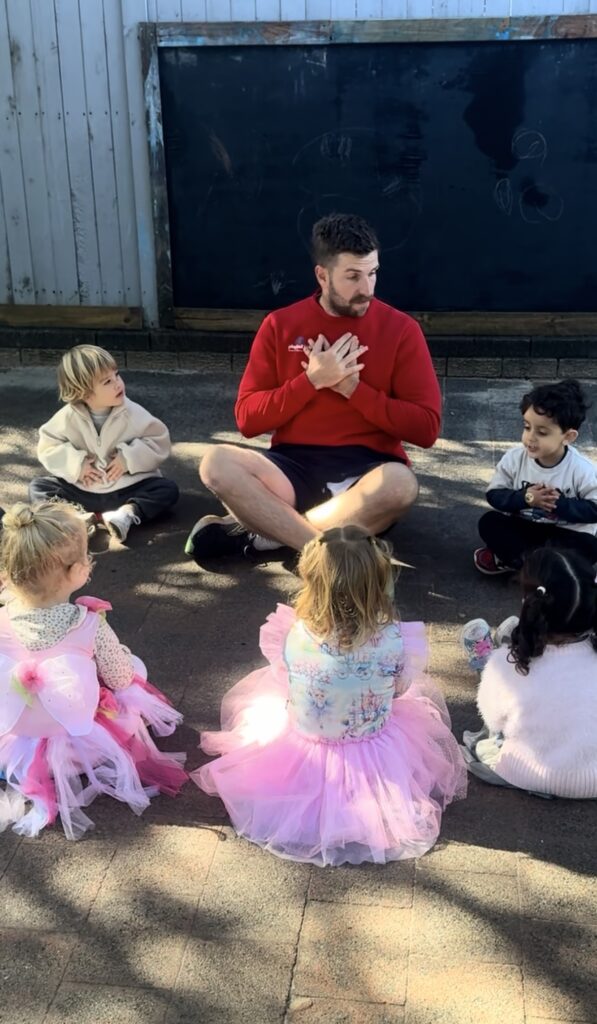
In all my years of teaching in early childhood education, there has never been more confidence in the direction our national frameworks are steering the sector, especially as the National Core Story begins to shine a light on the irreplaceable work of early childhood educators in shaping children’s futures.
Australia is rewriting the way it talks about the early years, and that shift matters deeply to how children grow, learn, and thrive. As an early years physical literacy trainer and the owner of Playball Australia, this national “Core Story” for early childhood feels like home base for the work done every day with children, families, and educators.
What the Core Story Is About
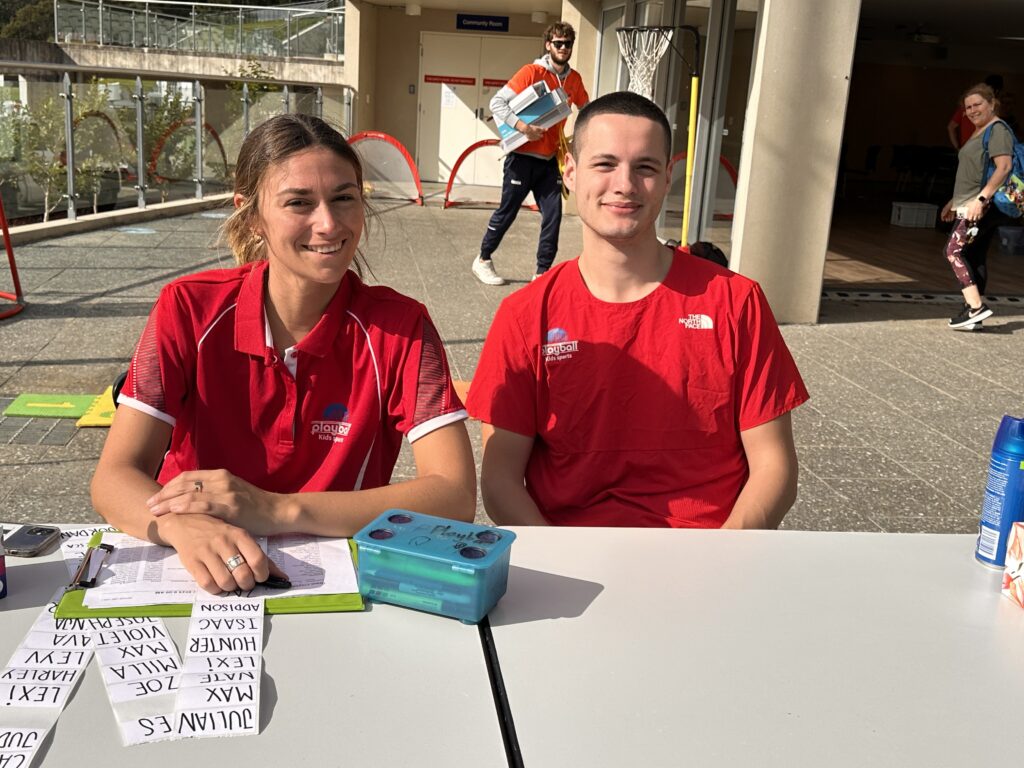
The Core Story for Early Childhood Development and Learning is a collaborative, national effort to improve how people understand the science of early childhood in Australia. It has been developed in partnership with the FrameWorks Institute, examining how the public currently thinks about early childhood, how that differs from expert knowledge, and which narratives actually help people see why the early years are so important.
At its heart, the Core Story highlights that:
- Early childhood is a powerful window where brains, bodies, and emotions are rapidly building the foundations for life.
- Children’s development depends on more than just “natural” growth; it is shaped by relationships, environments, and opportunities for rich, supportive experiences.
- Clear, hopeful, science-informed messages help communities and decision-makers back the policies and practices that give every child a fair chance.
New Ways of Talking About the Early Years
The FrameWorks Institute’s research shows that some common phrases and assumptions unintentionally hold progress back—for example, the idea that resilience is just an individual trait or that early learning is mainly about school readiness. Instead, the Core Story encourages language that focuses on systems, environments, and shared responsibility, rather than placing the burden on parents or children alone.
This means talking about:
- Early development as a “building” process that needs strong supports and stable structures.
- Stress, adversity, and inequity as things that can be reduced through good policy, quality services, and community action—not just better individual effort.
As someone who sees children move, fall, try again, and succeed every day, this way of communicating makes sense. It mirrors what is observed at Playball: children grow best when the environment and adults around them are intentionally set up for success.
Where Playball Fits: Play-Based Movement and Sensory Experiences
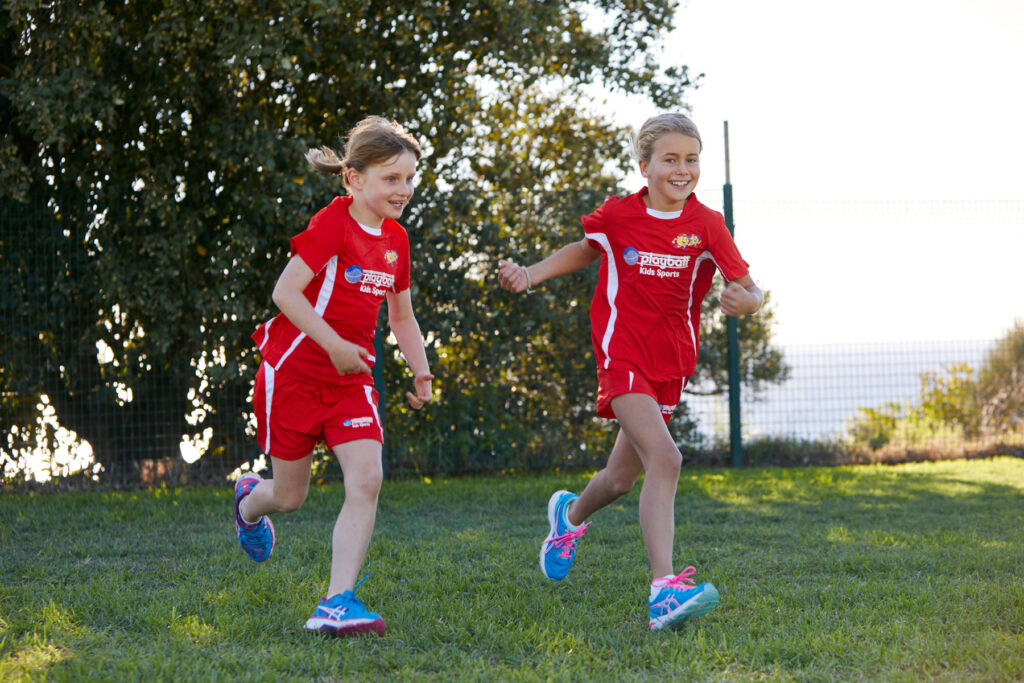
Playball Australia sits naturally inside this Core Story because the program is built around intentional, play-based movement and sensory experiences that develop the “whole child”—physically, socially, and emotionally. In every session, children are not just “burning energy”; they are practicing focus, coordination, emotional regulation, persistence, and cooperation in a safe, scaffolded way.
The program aligns with the Early Years Learning Framework and broader early years strategies by:
- Designing activities that build physical literacy—balance, coordination, strength, spatial awareness, and motor planning—through fun, predictable routines and playful challenges.
- Using movement and sensory-rich experiences to support self-regulation, attention, and confidence, particularly for children who may find traditional classroom settings more demanding.
From this perspective, Playball is not an “extra” sports program. It is a practical, on-the-ground expression of what the Core Story describes: environments that actively build children’s capabilities and wellbeing through everyday experiences.
Bridging Expert Science and Everyday Practice
One of the Core Story’s key goals is to close the gap between expert understanding of early childhood and the way the public currently thinks and talks about it. In practice, that means turning complex brain and developmental science into simple, accurate stories and examples that families, educators, and communities can relate to.
In Playball sessions and collaborations with centres, this looks like:
- Explaining to families that repeated movement patterns help “wire” the brain for coordination, focus, and learning, not just sport.
- Showing educators how observing children in play-based movement can reveal strengths, emerging skills, regulation needs, and social patterns that might not be as visible in other activities.
This is where the role as a physical literacy trainer becomes a kind of “translator”—connecting the dots between neuroscience, policy language, and the real child in front of an educator or parent.
A Shared Vision for Thriving Kids
The Core Story for Early Childhood Development and Learning ultimately aims to shift Australia towards a shared vision where every child has what they need to thrive, not just “get by.” That vision aligns strongly with Playball’s commitment to inclusion, equity, and wellbeing in early childhood settings.
In practice, this shared vision means:
- Designing sessions so every child—regardless of background, ability, or temperament—can experience success and feel a sense of belonging in the group.
- Partnering with centre directors, educators, and families so that the physical, social, and emotional benefits of play-based movement and sensory experiences carry through into the classroom, the playground, and home life.
Grounding Playball’s work in the Core Story’s scientifically informed framework makes it possible to advocate more clearly, collaborate more deeply, and help shift the national conversation. When Australia talks about early childhood in ways that reflect the best of what science shows, and programs like Playball bring that science to life through movement and play, children are given the strongest possible start.
Ready to Bring the Core Story to Life in Your Centre?
If your centre is working to align with Australia’s new early childhood direction, Playball Australia can support you with evidence-informed, play-based movement sessions that strengthen children’s physical, social, and emotional development.
We partner with early learning services, directors, and educators to create environments where every child can thrive through meaningful, movement-rich experiences.
If you’d like to learn more or explore a collaboration, get in touch with Playball Australia — let’s help children build the foundations for lifelong wellbeing, together.
Tammy Ceppi – Physical Literacy Trainer