

As educators, we often witness moments that remind us why we do what we do — a child’s eyes lighting up when they master a new skill, the laughter that follows teamwork, the quiet confidence that grows when they realise, “I can do this.”
These moments are not small. They are the building blocks of wellbeing. They are what help children thrive.
1. The Thriving Kids Initiative
In recent months, Australia has taken an important step forward in how we think about early childhood development. The upcoming Thriving Kids Initiative, scheduled to launch in 2026, represents a major reform — one that recognises that every child’s path to growth must include early, integrated, and holistic support.
As an educator who has spent over two decades observing how children learn through movement, I see this as a crucial opportunity to align national policy with what we already know from practice:

Movement is not an extracurricular activity; it is the foundation of learning and wellbeing.
2. The Science Behind Movement and Thriving
Early movement experiences are deeply linked to neural development, emotional regulation, and social interaction. When children move, they are not only developing coordination — they are building the cognitive and emotional frameworks that support focus, empathy, and self-confidence.
This is precisely where Thriving Kids can make a long-term difference. By creating accessible, community-based pathways for children with developmental delays or mild forms of autism, the program recognises that wellbeing cannot be addressed in isolation.
It grows when educators, families, and communities collaborate within an integrated model of early learning.

3. Movement as a Language of Inclusion
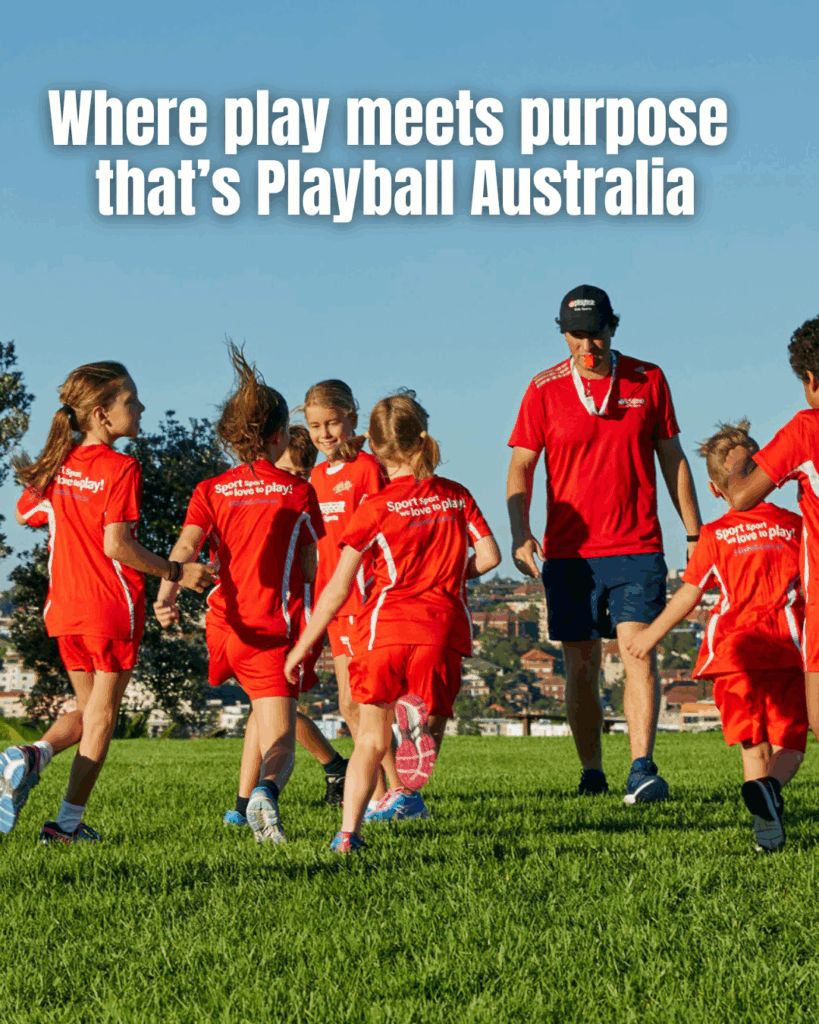
At Playball Australia, we have witnessed how guided movement becomes a universal language — one that transcends ability, background, and circumstance. Through movement, children discover agency, trust, and belonging. It’s a space where learning is embodied, not imposed; where every small achievement reinforces self-worth and resilience.
The Thriving Kids Initiative brings national attention to something educators have long understood: the importance of recognising early signs of developmental difference and responding through inclusive, well-structured environments.
Movement-based learning offers a bridge between therapeutic goals and everyday experiences — helping children participate fully, not as patients, but as active learners.
4. A Collaborative Future
The challenge — and the opportunity — ahead lies in translating the intentions of Thriving Kids into consistent practice. That will require training, cross-disciplinary dialogue, and a shared language between educators, therapists, and families.
Movement educators can play a pivotal role in this next phase. By embedding wellbeing into physical literacy, we can contribute to the national effort of helping children not only develop, but truly thrive.
5. Moving Forward with Purpose
As the Thriving Kids Initiative takes shape, my hope is that movement-based programs will be recognised as essential partners in early education and developmental support.
Every time a child learns through movement, we witness growth that cannot be measured only in milestones — it is the quiet confidence, the self-belief, and the joy of participation that signal real progress.
This is where policy meets practice. And this is where, together, we can help every child thrive.
Always Learning,
Tammy Ceppi Founder | Playball Australia 📚 Dedicated to advancing child wellbeing through movement and early education.