
Children’s Movement, Sport and Wellbeing Programs (Ages 2–8)
Playball Kids is a leading children’s movement, sport and wellbeing program in Australia, designed for children aged 2–8. Using a structured, play-based approach, Playball supports children to build confidence, competence, and school transition skills through purposeful physical experiences. Our programs are delivered in Early Learning Centres, Primary Schools (Stage 1), and Community Hubs.
How Children Learn: The Body–Brain Connection
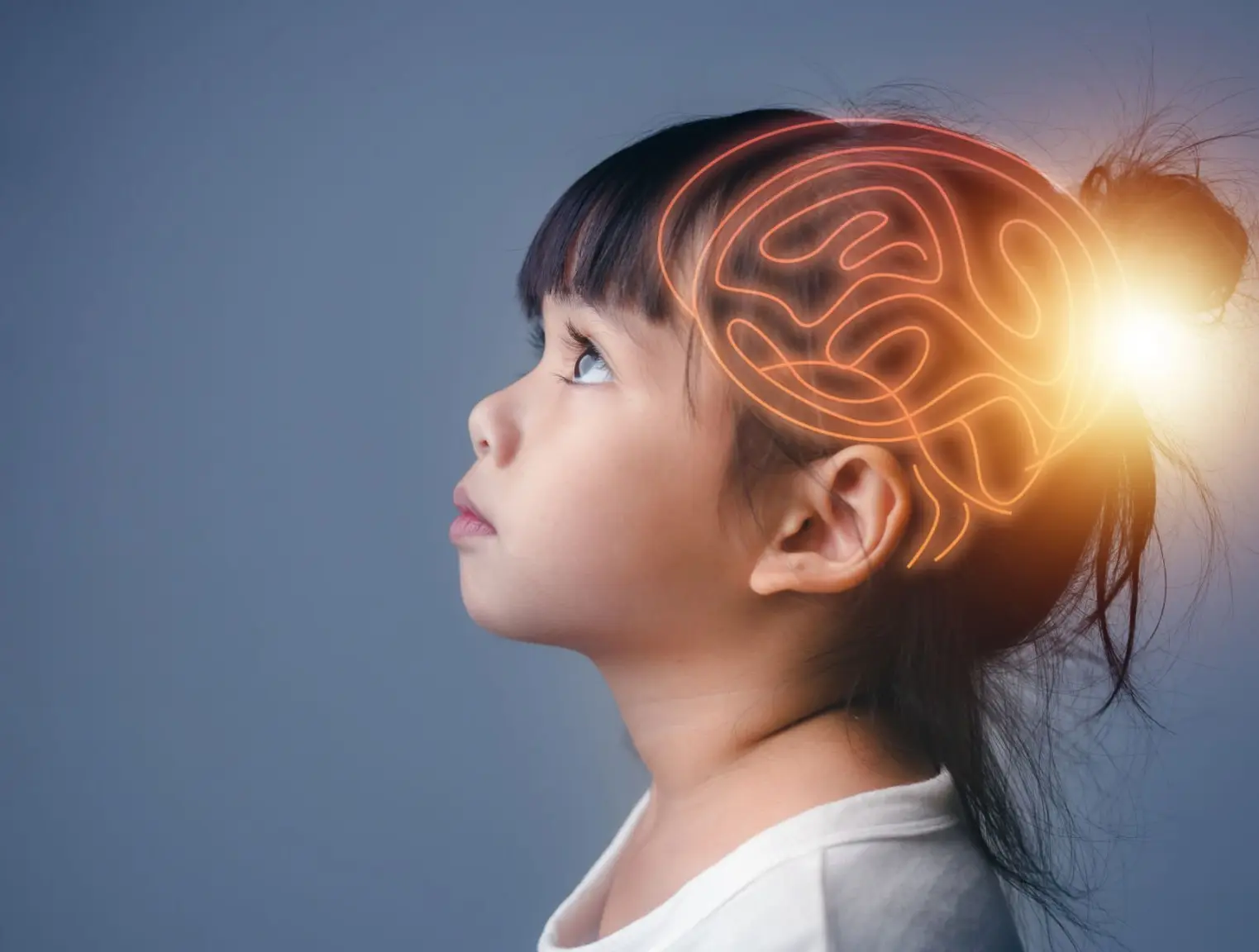
The early years represent the most crucial period in a child’s brain development. The more movement children are exposed to and actively engage with, the more the brain grows, connects, and develops.
With this in mind, every activity in the Playball program is intentionally designed so that physical, cognitive, and emotional development occur as one integrated experience.
Our purposeful and strategic lesson plans strengthen the brain’s neural network while progressively automating physical skills. As movement becomes automatic, the brain is freed to focus on higher-order tasks like problem-solving, decision-making, and self-regulation.
This progression is what unlocks a child’s capacity to learn with confidence, connect with others, communicate with purpose, and develop a strong sense of who they are and what they can do.
The Playball Method in Practice
Every Playball program is guided by the Playball Method—a structured, evidence-informed approach to children’s learning and development. Using a multi-skills approach, children build a broad and transferable foundation rather than specialising in one sport too early. This ensures children develop the confidence and capability to participate in any sport or activity as they grow. Every lesson is:
- Developmentally aligned
- Inclusive and accessible
- Focused on participation and progression
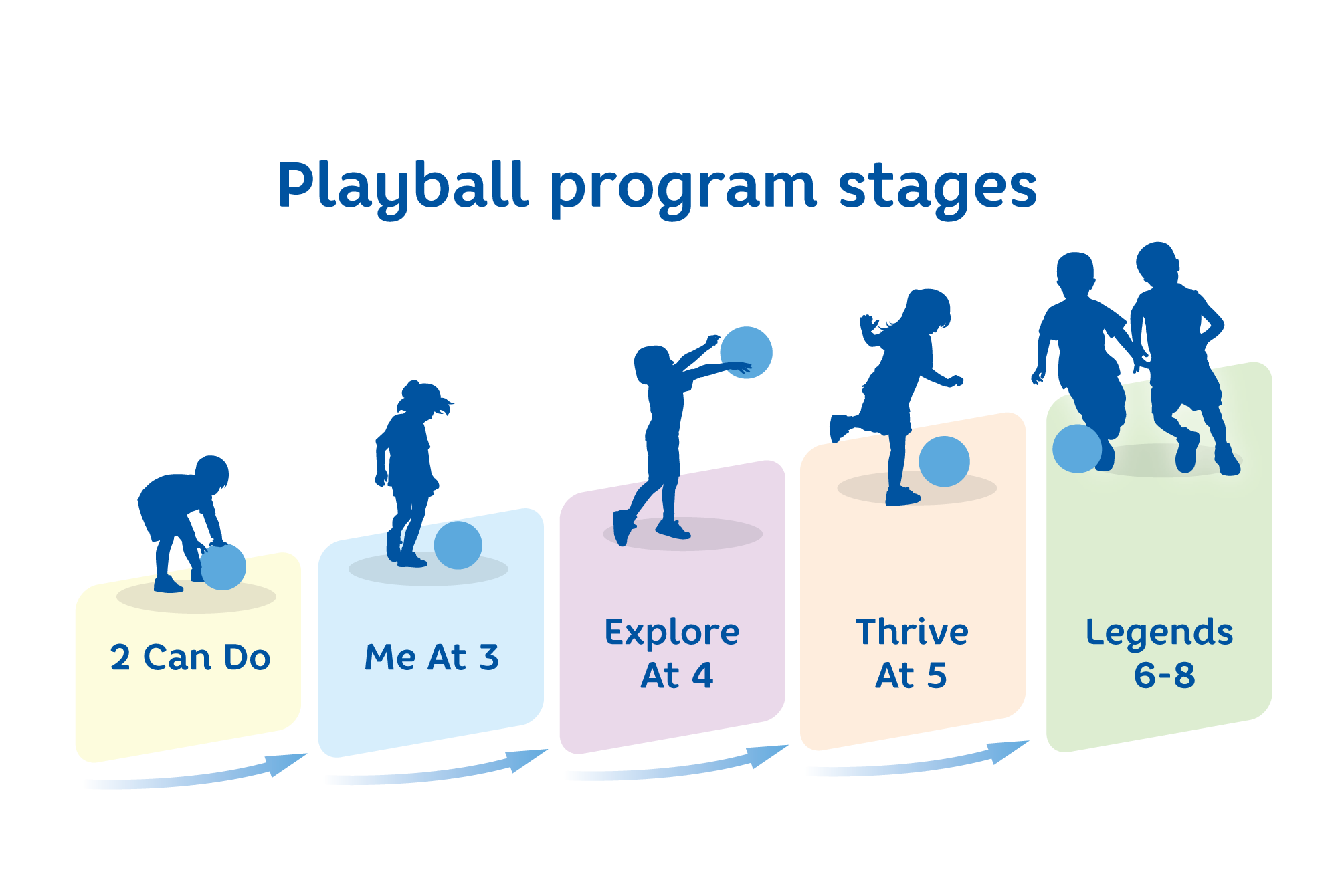
A Progressive Program for Every Child
- Build skills over time
- Practise and refine through repetition
- Apply learning in new environments
Legends Stage (Kindy / Year 1)
- Basic rules
- Game understanding
- Team participation This supports confident transition into school sport and community participation.
Benefits for Children
- Build confidence to participate and try new things
- Develop strong foundations for learning and development
- Improve ability to focus and engage
- Strengthen communication and friendships
- Learn to manage emotions and challenges
- Feel comfortable in group environments
- Build resilience and independence
- Develop the ability to adapt, learn, and thrive

Supporting Your Child Across Every Environment
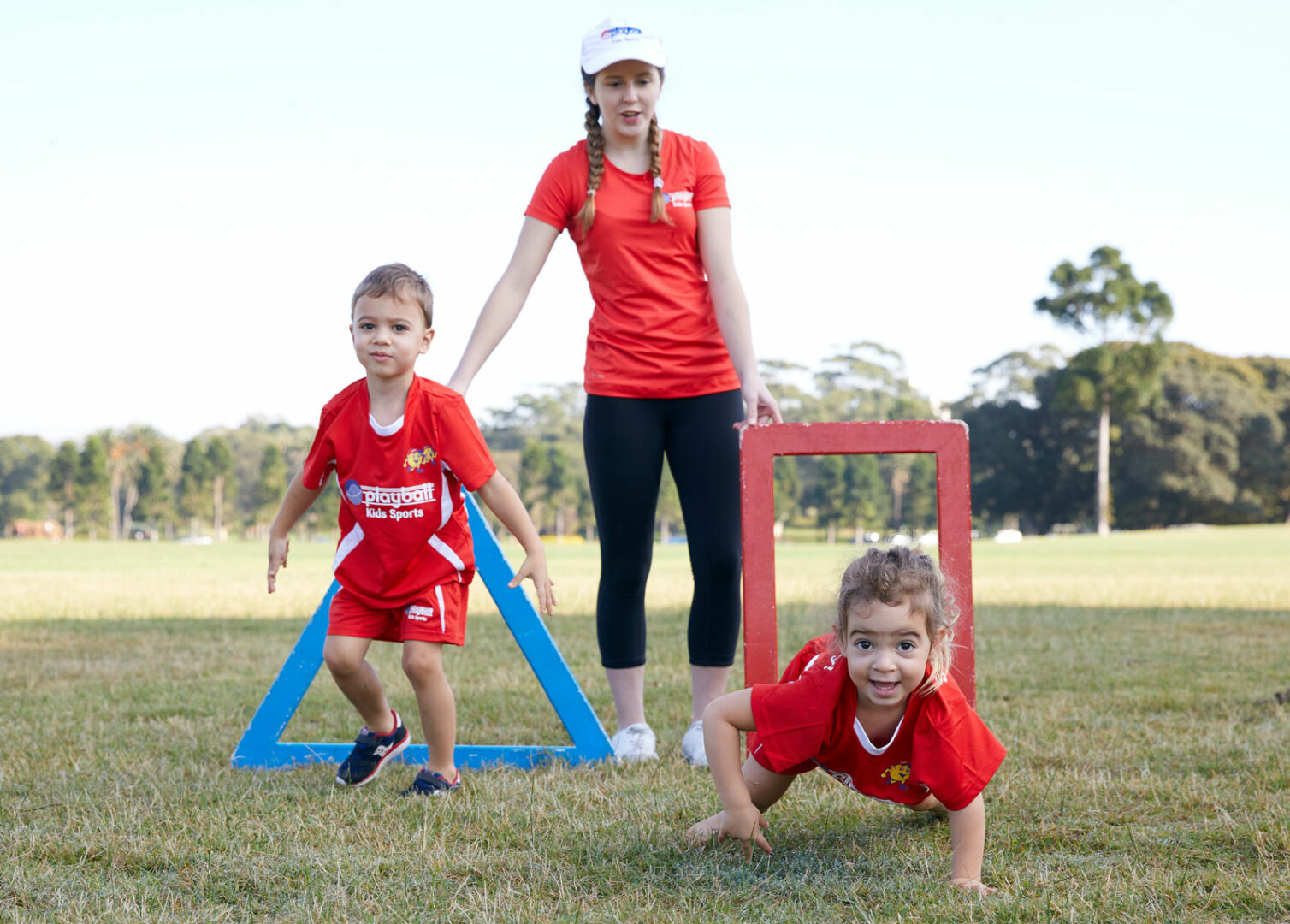
Playball reinforces the same skills children are learning with their teachers—through movement, sport and wellbeing. This means children benefit not only during lessons, but also:
- At school
- In sport
- In friendships
- In everyday life
As a result, children:
- Feel more confident participating in sport and physical activity
- Build stronger friendships
- Learn to manage challenges and keep trying
- Feel more capable in learning environments Playball helps children take what they learn and apply it in real life.
For Early Learning Centres, Schools & Community Hubs
- Participation and inclusion across all children
- Stronger engagement in group learning environments
- Development across physical, social, emotional, and cognitive domains
- School transitions and readiness
- Consistent, high-quality lesson delivery
- Contribution to program quality and outcomes
Find a Playball Program Near You
Playball programs are available across Australia, including: